Does Homeowners Insurance Cover Water Damage Restoration in Harrisburg, PA?
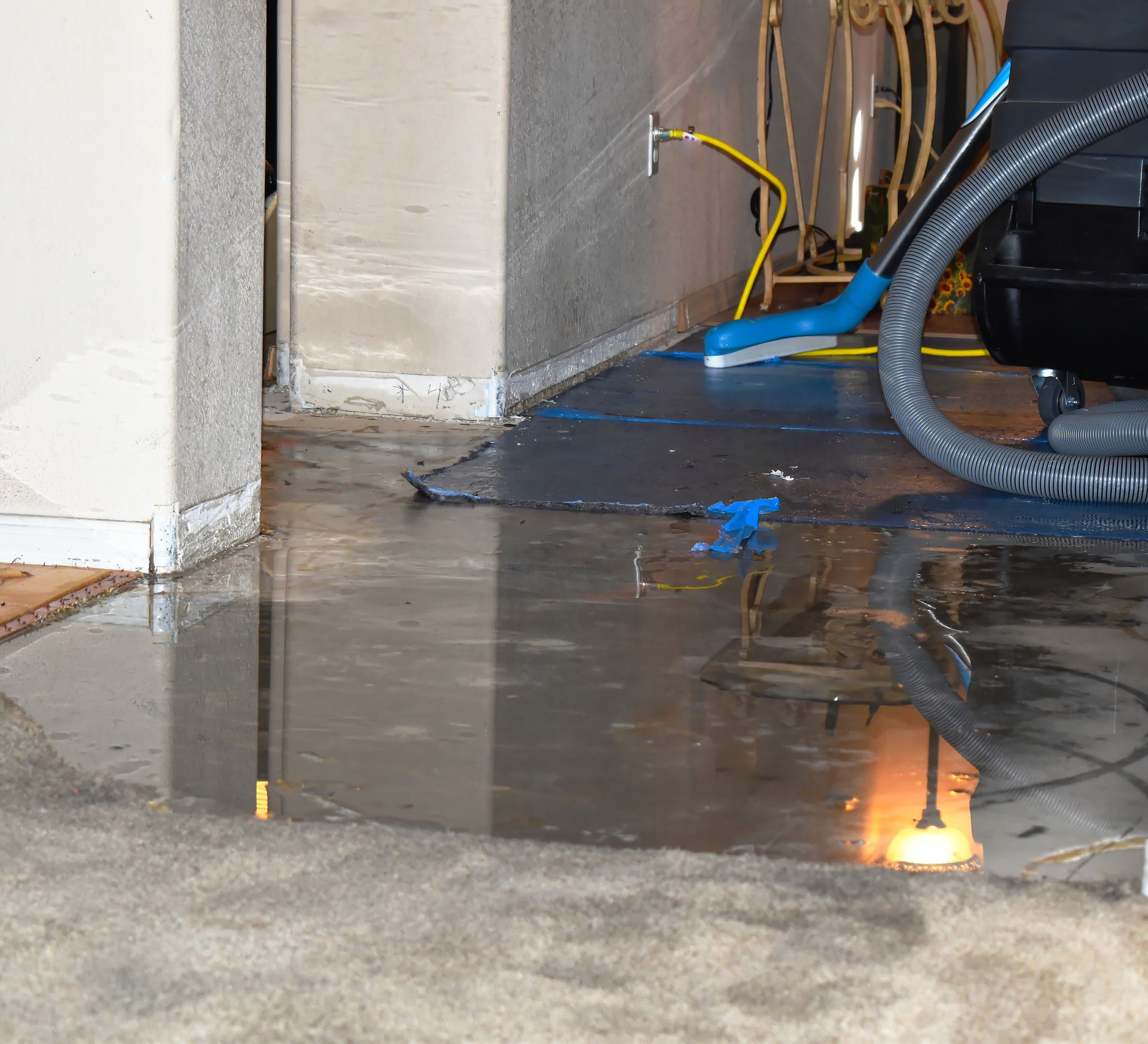
Whether your homeowners insurance covers water restoration in Harrisburg, PA, depends on how the water entered your home. Most homeowners assume their standard policy covers all water damage. That assumption can be costly. Pennsylvania insurers draw a clear line based on the type of water event, and where the water came from determines whether your claim is approved or denied.
What Types of Water Damage Does Homeowners Insurance Typically Cover?
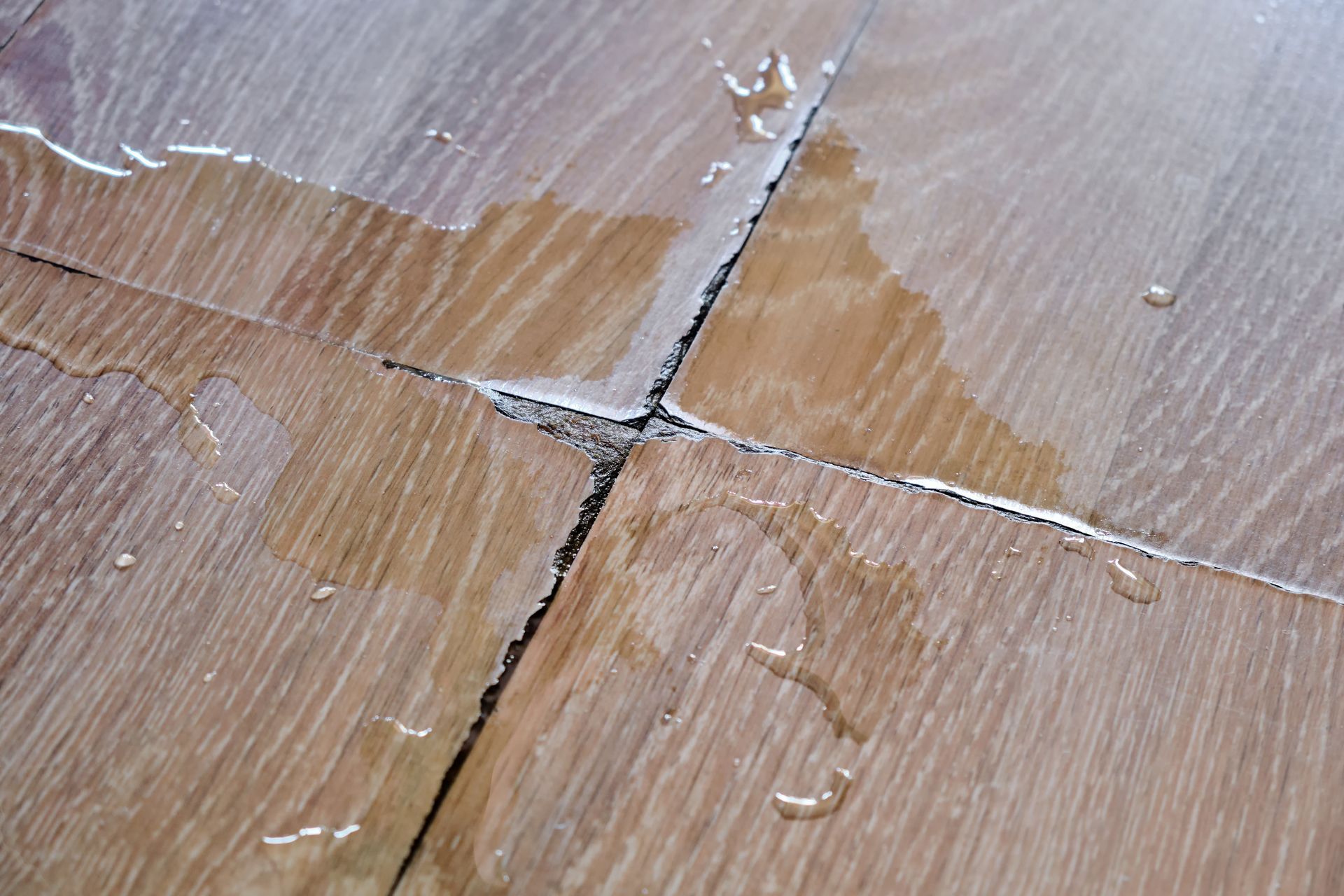
Standard homeowners insurance may cover water damage when it is sudden and accidental. Common examples include a burst pipe, an overflowing washing machine, or an ice maker line that unexpectedly fails. These events are generally considered covered perils under a standard HO-3 policy in Pennsylvania.
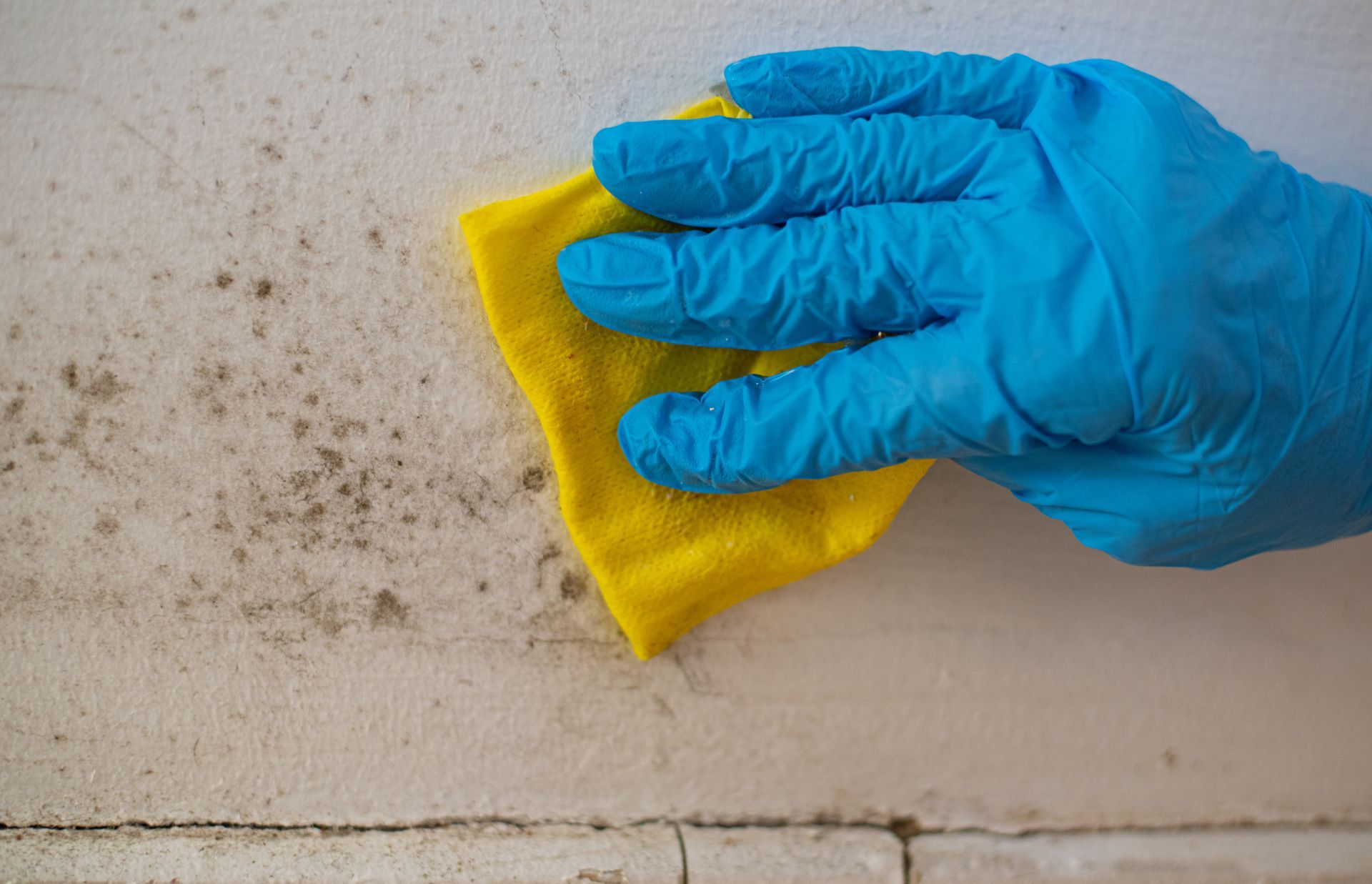
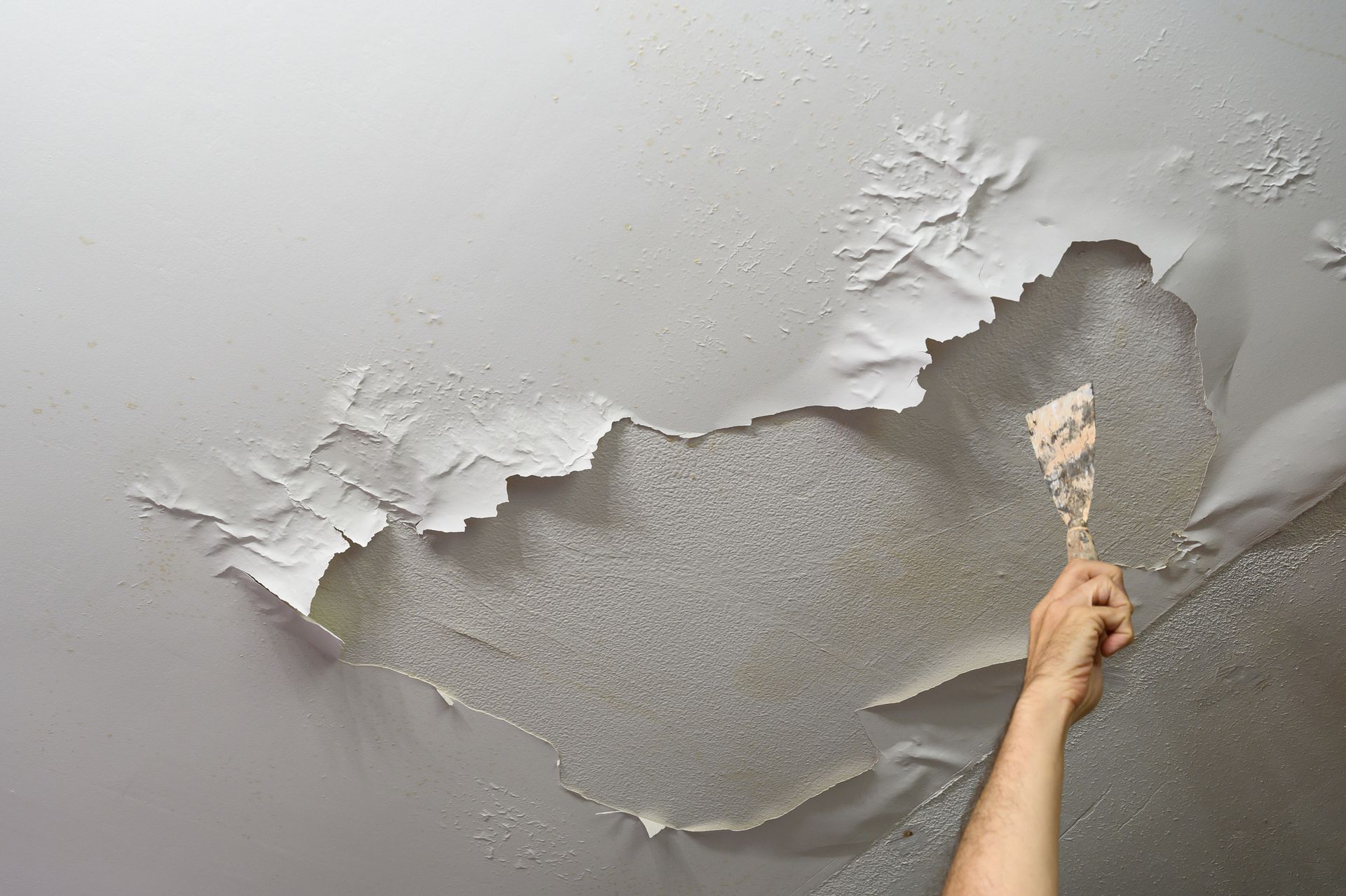
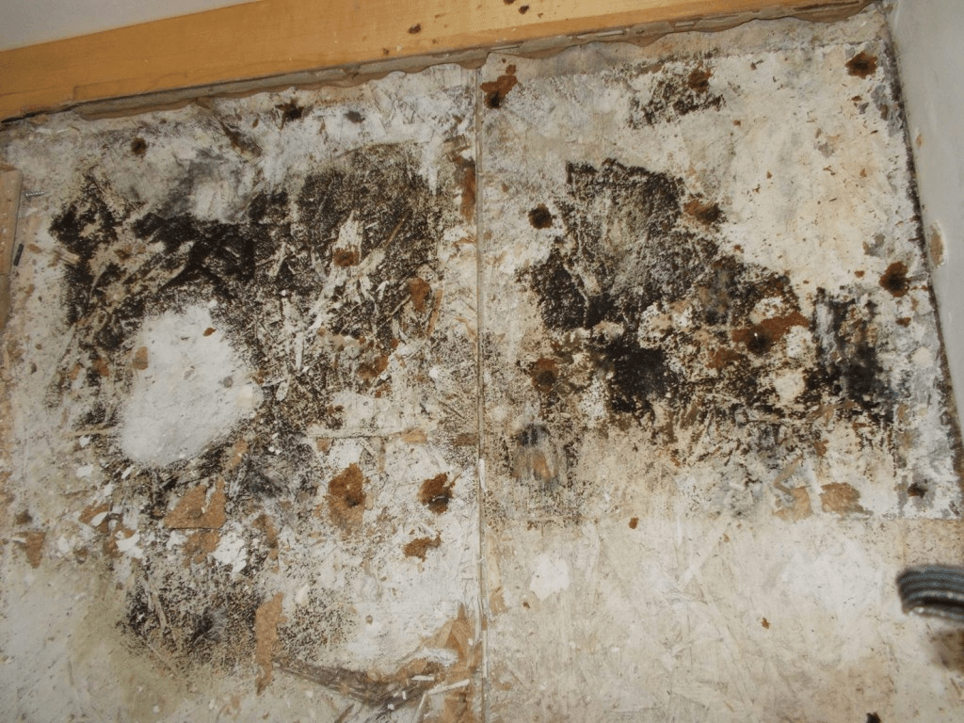
Insurers typically exclude two categories. First, gradual damage from slow, unaddressed leaks or deferred maintenance is almost always denied. If a pipe has been dripping for months and caused rot or mold, your insurer may argue the damage resulted from neglect. Second, flooding from an external source, such as a river overflow or stormwater backing up from a street, is not covered under a standard policy.
Does Flood Damage Require Separate Insurance in Harrisburg, PA?
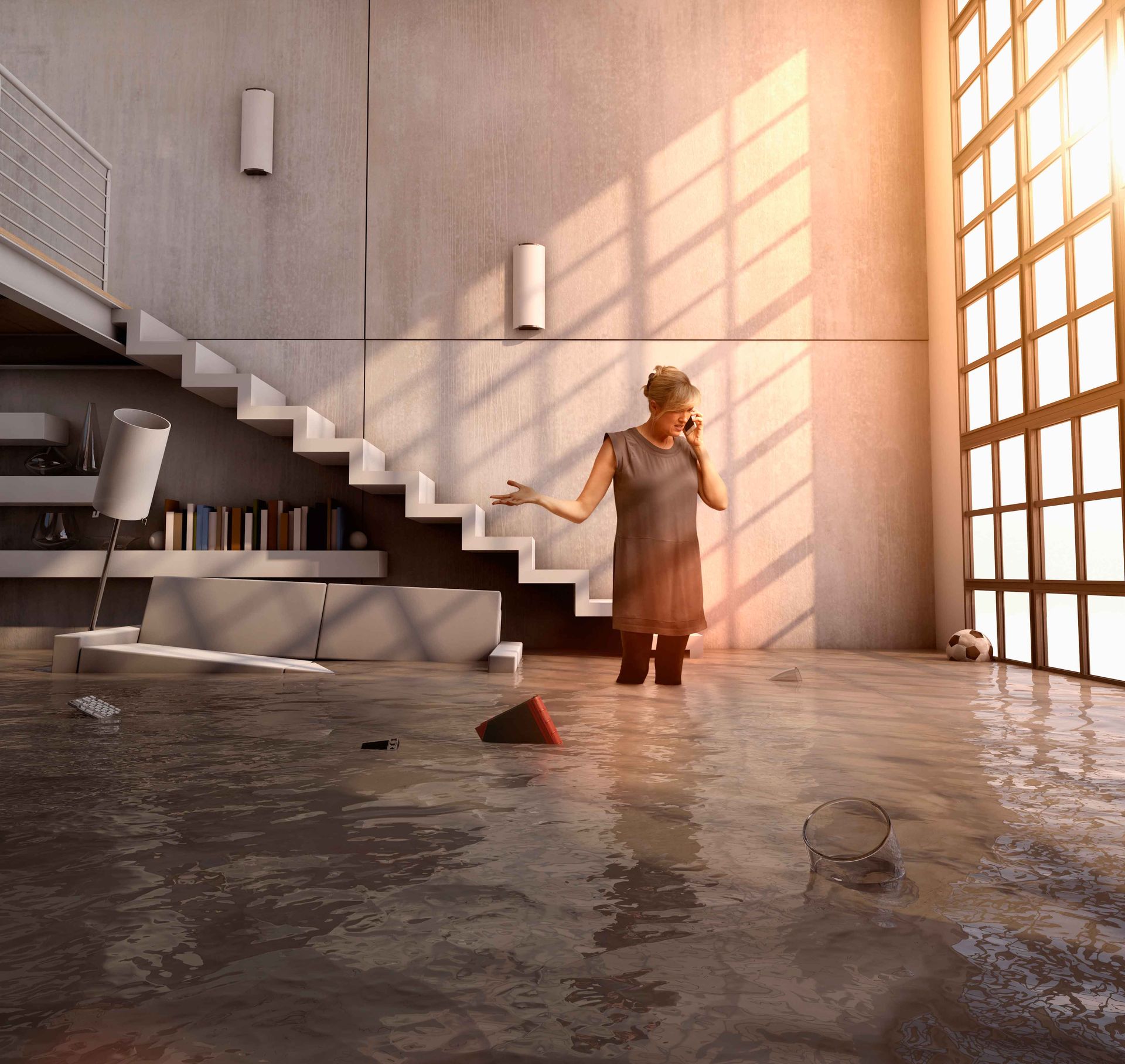
For Harrisburg homeowners, flood coverage is a separate and critical decision. The city sits along the Susquehanna River, which has a well-documented history of flooding that affects low-elevation neighborhoods and properties near Paxton Creek. Standard policies do not cover rising water from rivers, surface runoff, or storm surge. That requires a separate flood insurance policy, typically issued through the National Flood Insurance Program (NFIP) or a private carrier.
Is Sewer Backup Covered by Homeowners Insurance in Pennsylvania?
Sewer backup is typically not included in a standard homeowners policy but may be added as an endorsement. Harrisburg's combined sewer system can back up during heavy rainfall, sending contaminated water into basements in older neighborhoods. Confirm with your insurer whether your policy includes a sewer backup rider.
How to Document Water Damage for an Insurance Claim
Thorough documentation may strengthen your claim and speed up the adjuster's review. Before restoration work begins, take these steps.
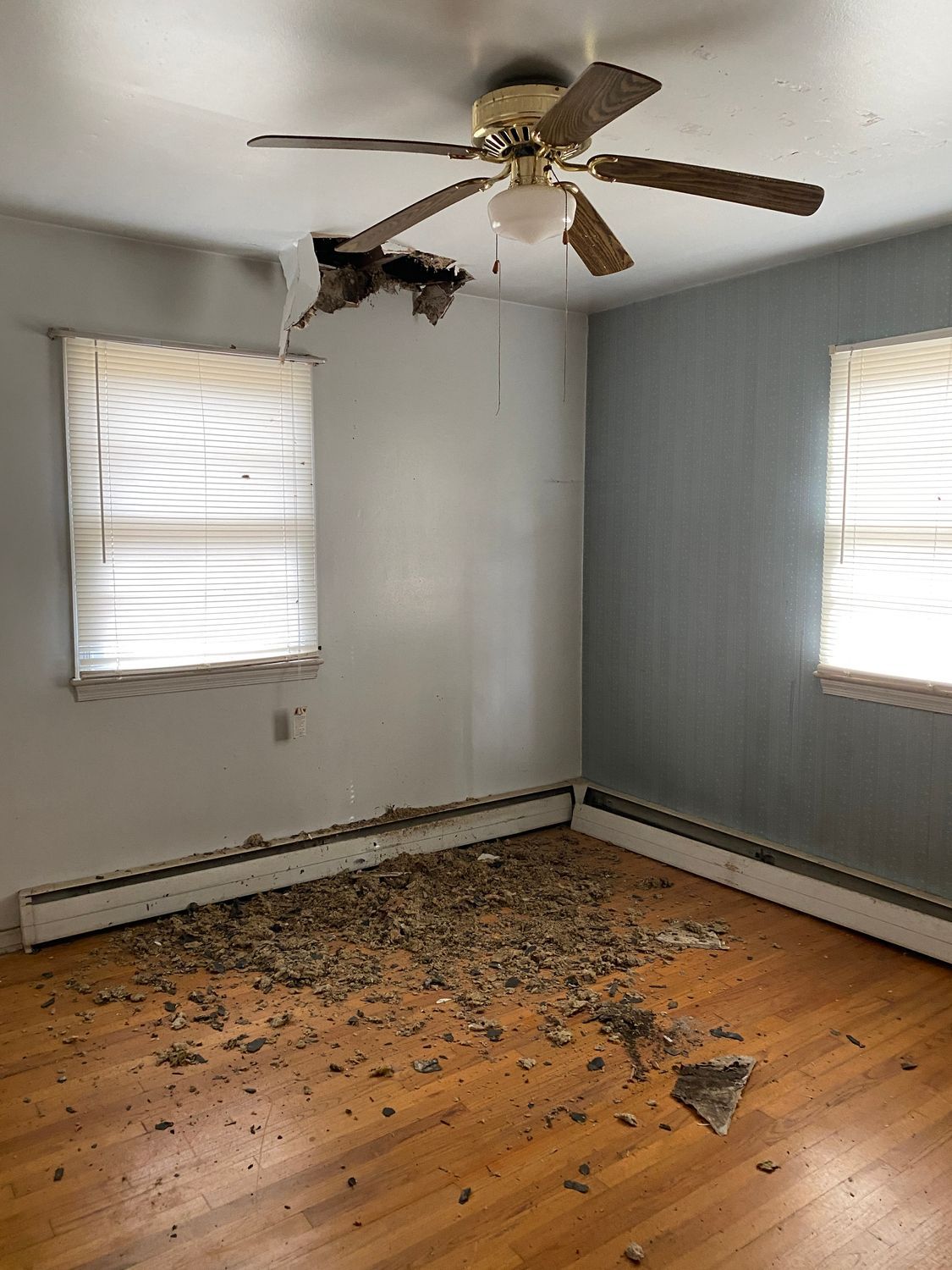
- Photograph and video every affected area, including walls, floors, ceilings, and damaged personal property.
- Write down when you first noticed the damage and what you believe caused it.
- Save receipts for emergency expenses such as a hotel stay or temporary repairs.
- Do not discard damaged materials until an adjuster has assessed them or you have documented them thoroughly.
- Contact your insurer as soon as possible to open a claim and get a claim number.
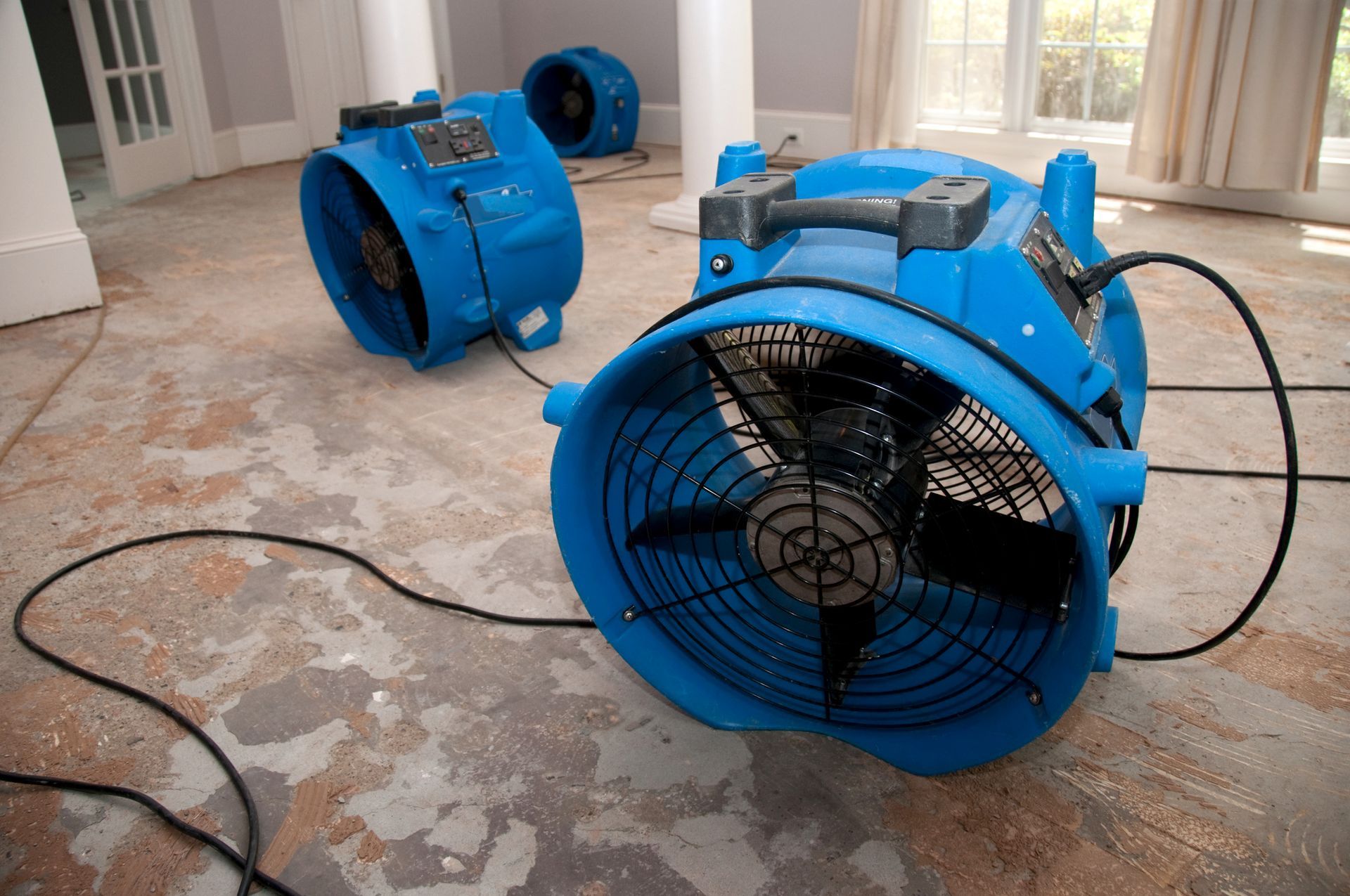
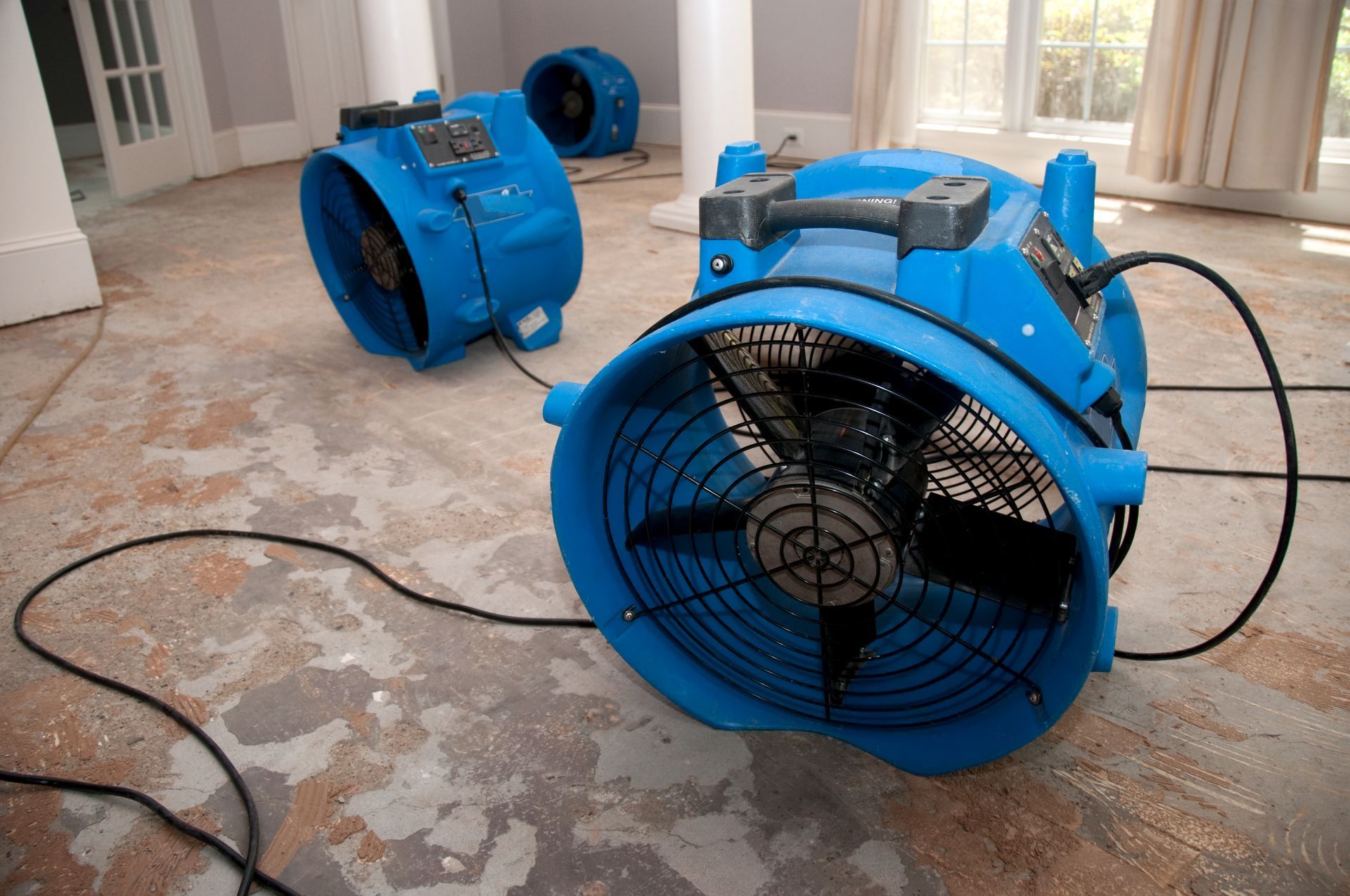
While waiting for the adjuster, take reasonable steps to stop additional damage: shut off the water supply, remove standing water, and place fans to begin air circulation.
How Can a Licensed Restoration Contractor Help with My Insurance Claim?
Experienced contractors understand how to document damage in the format insurers expect, which can reduce delays and disputes. A contractor who works directly with insurance companies can help ensure the full scope of damage is accurately represented from the start, rather than discovered in stages that require additional claim adjustments.
Get Help with Water Restoration in Harrisburg, PA
Water restoration in Harrisburg, PA, requires a contractor who understands both the technical demands of drying and rebuilding and the realities of working alongside your insurance company. C&Z Construction has been serving Central Pennsylvania since 1983 and works directly with insurance companies to help facilitate the process.
Visit their water restoration service page for more information or reach out through their
contact page to speak with their team. Call
(888) 670-7772 any time, day or night.