Mold Removal vs. Mold Remediation: What Harrisburg Homeowners Need to Know
Many Harrisburg, PA, homeowners use "mold removal" and "mold remediation" interchangeably, but the difference determines whether you get a lasting fix or a recurring problem.
Mold Removal vs. Mold Remediation: What Is the Difference?
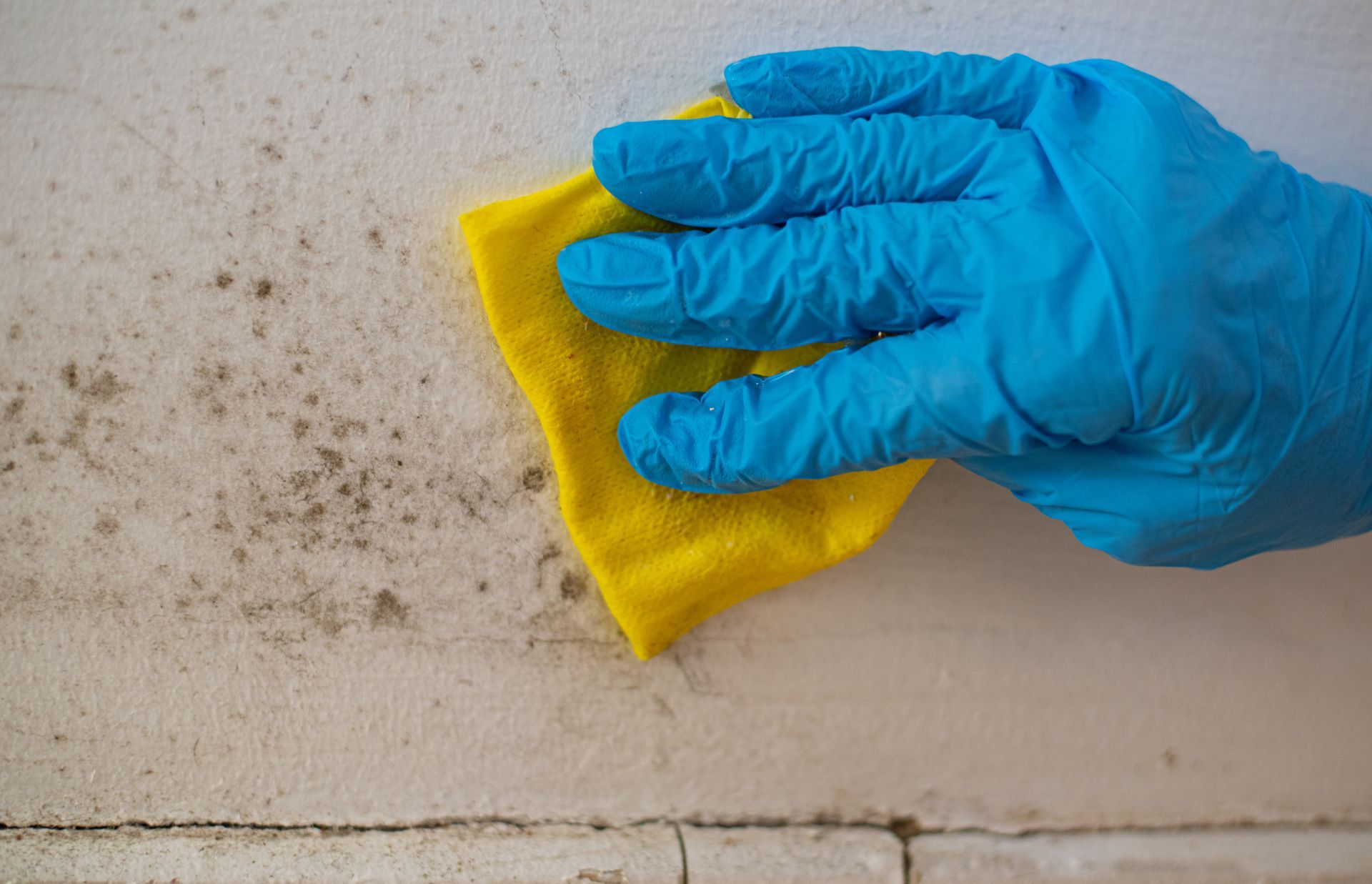
Mold removal refers to physically scrubbing or wiping away visible growth. It addresses the surface but leaves spore colonies inside walls, subflooring, or ceiling cavities untouched.
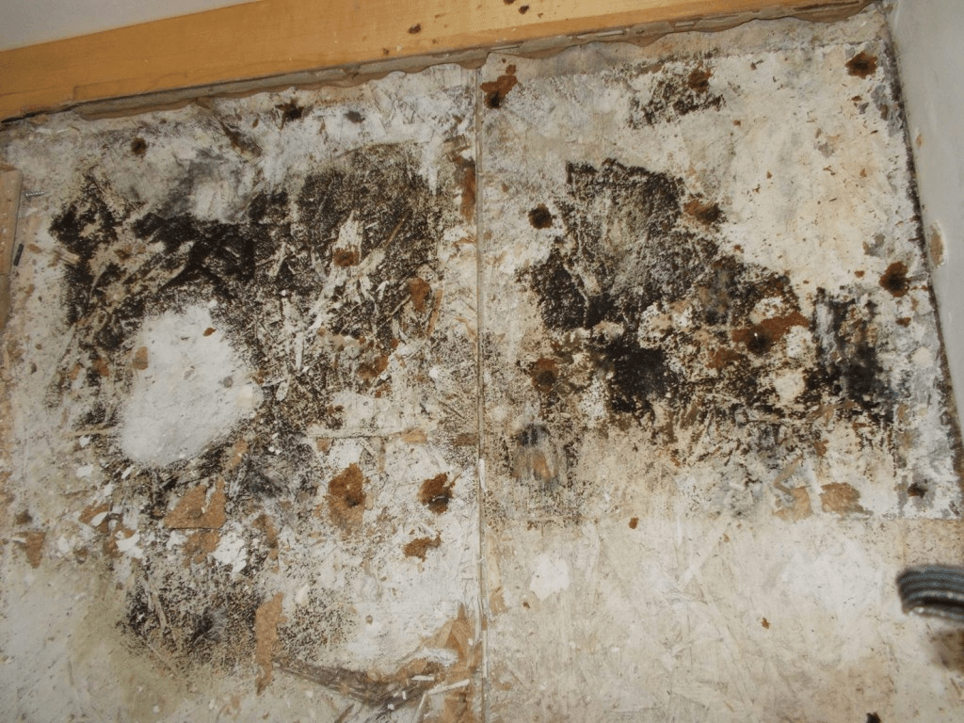
Mold remediation is broader. It includes identifying the moisture source, containing the affected area, removing contaminated materials, treating surfaces at the spore level, and verifying results with clearance testing. The goal is to bring mold levels back to a safe, normal range throughout the home.
Why Harrisburg Homes Are Especially Vulnerable to Mold
Harrisburg's humid continental climate, proximity to the Susquehanna River, and aging housing stock create above-average mold risk. Most local homes have basements, and older construction with inadequate moisture management allows mold to take hold in wall cavities, floor joists, and crawl spaces. Surface cleaning rarely solves problems that start deep inside building materials.
Common Areas Where Mold Hides in Harrisburg Homes
Problem areas often include basement walls and floor joists near sump pump areas, crawl spaces in older row homes in neighborhoods like Allison Hill and Uptown, attic sheathing with poor ventilation, drywall near bathroom plumbing, and window frames where condensation forms during cold winters.
What a True Remediation Process Includes
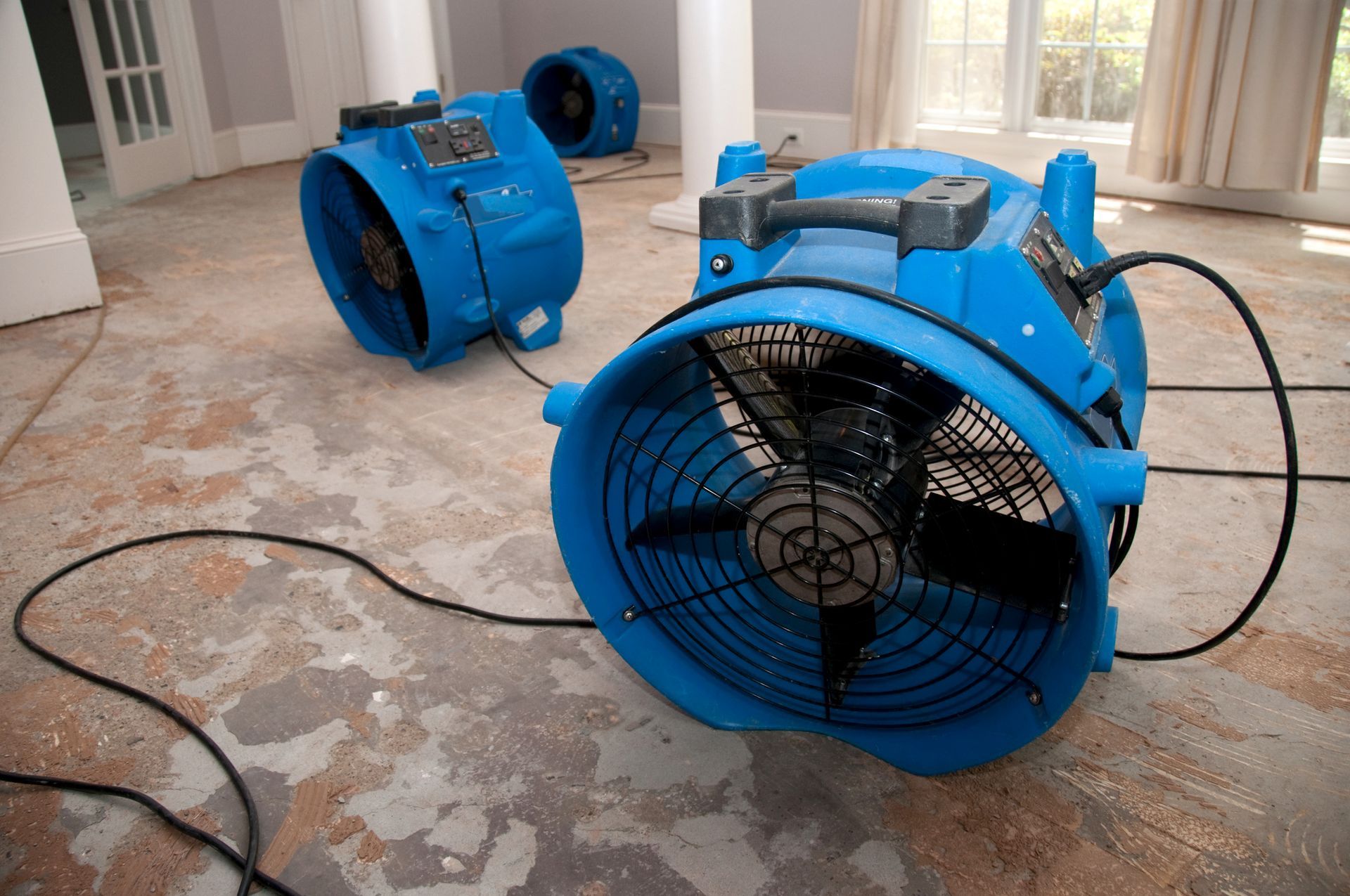
A properly executed process involves inspection and moisture source identification, containment using plastic sheeting and differential pressure control, removal of contaminated porous materials, antimicrobial treatment of structural surfaces, dehumidification, and clearance testing to confirm acceptable spore counts. Skipping containment, for example, can spread spores to unaffected rooms during cleanup.
Pennsylvania Contractor Registration and What to Look For
Pennsylvania does not require a dedicated mold remediation license, but contractors typically need registration under the Home Improvement Consumer Protection Act for residential work over $500. This gap creates opportunities for unqualified companies to operate. Professional remediators follow IICRC S520 standards and may hold voluntary certifications such as the Applied Microbial Remediation Technician credential.
When evaluating a contractor, verify PAHIC registration, ask about IICRC or equivalent certification, request a written scope of work covering containment through clearance testing, and confirm adequate liability insurance.
When DIY Mold Cleanup Is Too Risky
DIY approaches carry significant risk when mold has penetrated porous materials, the moisture source is unresolved, occupants have respiratory conditions or compromised immune systems, or mold is inside an HVAC system. A musty odor with no visible growth is also a warning sign. Without proper containment, DIY attempts can spread spores to previously clean areas.
Frequently Asked Questions
What Is the Difference Between Mold Removal and Mold Remediation?
Mold removal cleans visible surface growth. Remediation addresses the moisture source, contains the area, removes contaminated materials, treats surfaces at the spore level, and confirms resolution through clearance testing.
Does Pennsylvania Require a Remediation License?
No. Contractors performing residential work typically need PAHIC registration. Homeowners should look for voluntary certifications such as IICRC credentials as indicators of professional training.
Why Are Harrisburg Basements So Prone to Mold?
Harrisburg's humid climate, river proximity, and aging housing stock make basement moisture a recurring challenge. Inadequate moisture management in older construction allows mold to develop in wall cavities, floor joists, and crawl spaces.
When Should a Harrisburg Homeowner Call a Professional?
Call a professional when mold covers a significant area, has penetrated drywall or insulation, is inside an HVAC system, or when a musty odor is present without visible growth. Households with occupants who have respiratory conditions or weakened immune systems should avoid DIY cleanup entirely.
Get Professional Help From a Trusted Local Team
Mold problems in Harrisburg can escalate quickly during humid months or after basement flooding. Acting early with a qualified contractor protects both your home's structure and your household's health.
C&Z Construction, also available on Google Maps, has served Harrisburg, PA, and Central Pennsylvania for more than 30 years. Their process covers every stage from initial containment through clearance testing. Visit the mold damage remediation service page, contact the team, or call (888) 670-7772 any time, day or night.